
 Skip to content
Do I Have to Give a Recorded Statement to the Insurance Company in Florida?
We Don’t Take “Low” for an Answer!

In This Article
Quick Answer
No. You are not required to give a recorded statement to the at-fault driver's insurance company in Florida — and you generally shouldn't before talking to an attorney. That insurer works for the other side, and a recorded statement is used to find inconsistencies, lock in early details, and shift blame onto you. You do have a limited "duty to cooperate" with your own insurer under your policy, but even then you can have a lawyer present and don't have to do it on the first phone call. Not sure who's calling you? Call Kaiser Romanello, P.A. at (844) 877-8679 for a free review before you say anything on the record.
Within a day or two of a crash, an adjuster usually calls sounding friendly and helpful, and asks to "just get your statement." It feels routine. It isn't. Whether you have to give that statement — and whether you should — depends entirely on which insurer is asking.
Your Insurer vs. the At-Fault Insurer
The single most important distinction is who's on the other end of the line:
- The at-fault driver's insurer. This company's job is to pay you as little as possible. You have no obligation to speak with them at all, recorded or otherwise. There is no law, and no term in your own policy, that requires it.
- Your own insurer. Your auto policy contains a "duty to cooperate" clause, so you do have to work with your own company on your PIP or uninsured-motorist claim. But cooperating does not mean submitting to an unprepared recorded interview on demand.
Adjusters count on people not knowing the difference. Always ask, at the start of any call, which company the person represents before you answer anything.
You Don't Have to Talk to the At-Fault Insurer
If the caller represents the driver who hit you, you can politely decline the recorded statement entirely. A simple, "I'm not giving a recorded statement; please put any requests in writing," is enough. Nothing in Florida's no-fault system or anywhere else obligates you to help the opposing insurer build its file.
The safest move: let your attorney handle all communication with the at-fault insurer. Once you're represented, adjusters are required to go through your lawyer — and the pressure calls stop.
The "Duty to Cooperate" With Your Own Insurer
Your own PIP and UM/UIM benefits come from your policy, which requires you to cooperate — provide basic facts, submit documentation, and reasonably assist the investigation. Refusing outright can jeopardize your own benefits. But "cooperate" is not the same as "give an immediate, unprepared, recorded statement."
You can cooperate and protect yourself by having a lawyer present, scheduling the statement for when you're prepared, and keeping your answers factual and limited. In a serious claim, your attorney typically handles even your own insurer's recorded statement with you, so nothing you say is taken out of context later.
Why the Adjuster Wants It Recorded
A recorded statement is taken early on purpose — before you've seen a doctor for everything, before your injuries have fully surfaced, and before you know the full picture. The adjuster is looking for:
- Early admissions. Any hint that you were speeding, distracted, or "fine" right after the crash.
- Downplayed injuries. A casual "I feel okay" recorded on day two, used later to dispute a serious injury that surfaced on day five.
- Inconsistencies. Small differences between your statement and the crash report or your medical records, which they'll frame as you being unreliable.
- Fault they can shift to you. The recording becomes evidence in the comparative-fault fight (below).
How a Recorded Statement Gets Used Against You
This matters more in Florida than most people realize. Since House Bill 837 (2023), Florida uses a modified comparative-negligence rule: your compensation is reduced by your percentage of fault, and if you're found more than 50% at fault, you recover nothing. A recorded statement is one of the first tools the insurer uses to build that fault argument against you.
⚠ Every percentage point matters. An offhand comment on a recording — "I looked down for a second," "I might have been going a little fast" — can be used to push your share of fault up. Cross 50% and your claim is gone. See our comparative negligence guide for how the 50% bar works.
Because the recording can affect the value of your entire car accident claim, there's rarely any upside to giving one to the other side before you're represented.
What to Do When an Adjuster Calls
- Ask who they represent. Your insurer or the other driver's? This decides everything that follows.
- Don't agree to be recorded on the spot. You can decline, or say you'll respond after speaking with an attorney.
- Get medical care first. Florida's PIP benefits require treatment within 14 days, and you can't accurately describe injuries you haven't been evaluated for yet. See our PIP 14-day rule explainer.
- Don't sign a blanket medical authorization. Insurers use these to dig through unrelated, pre-existing records to blame your pain on an old injury.
- Talk to a lawyer before you go on the record. Once you're represented, your attorney manages all insurer communication.
What You Can Safely Say
You don't have to be rude or evasive — you just keep it brief and factual. It's fine to confirm:
- The date, time, and location of the crash.
- The vehicles involved and basic identifying information.
- That you are seeking medical treatment and will provide information through your attorney.
What you avoid: describing how the crash happened in detail, guessing at speeds or distances, assigning or accepting blame, and characterizing your injuries ("I'm fine," "it's not that bad"). If you're unsure, the safe answer is always, "I'd like to speak with my attorney before answering that."
Frequently Asked Questions
Do I have to give a recorded statement to the insurance company in Florida?
No — not to the at-fault driver's insurer. You have no legal obligation to give them a recorded statement, and doing so before speaking with an attorney can hurt your claim. You do have a limited duty to cooperate with your own insurer under your policy, but you can have a lawyer present and don't have to give a statement immediately.
What happens if I refuse to give a recorded statement?
If it's the at-fault driver's insurer, nothing — you were never required to. If it's your own insurer, refusing to cooperate at all could affect your PIP or UM benefits, but you can cooperate on your own terms, with an attorney present and at a scheduled time, rather than giving an unprepared statement on the first call.
Why do insurance companies want a recorded statement so quickly?
Because it's taken before your injuries fully surface and before you know the full picture. Adjusters look for early admissions, downplayed injuries, and inconsistencies they can use to reduce or deny your claim — and, under Florida's comparative-negligence rule, to shift fault onto you.
Can a recorded statement be used against me in Florida?
Yes. It becomes evidence, and since HB 837 (2023) Florida bars recovery if you're found more than 50% at fault. An offhand comment on a recording can be used to raise your share of fault and lower — or eliminate — your compensation.
What should I say when an adjuster calls after my accident?
Ask who they represent, decline to be recorded on the spot, and keep it to basic facts — the date, location, and vehicles involved. Don't describe how the crash happened, guess at speeds, accept blame, or characterize your injuries. Say you'll respond through your attorney.
An Adjuster Already Called? Talk to Us First.
Before you give any statement to the insurance company, let us review your crash — for free, 24/7 — and handle the insurers for you.
No fee unless we win.
Call (844) 877-8679 Request a free case review →By Lorne Kaiser & Steven Romanello, Kaiser Romanello, P.A. — Florida personal injury attorneys since 2002 (FL Bar Nos. 0568491 & 557277). Last reviewed: September 2026. This page is general information about Florida law, not legal advice; every case is different and outcomes vary. Prior results do not guarantee a similar outcome.
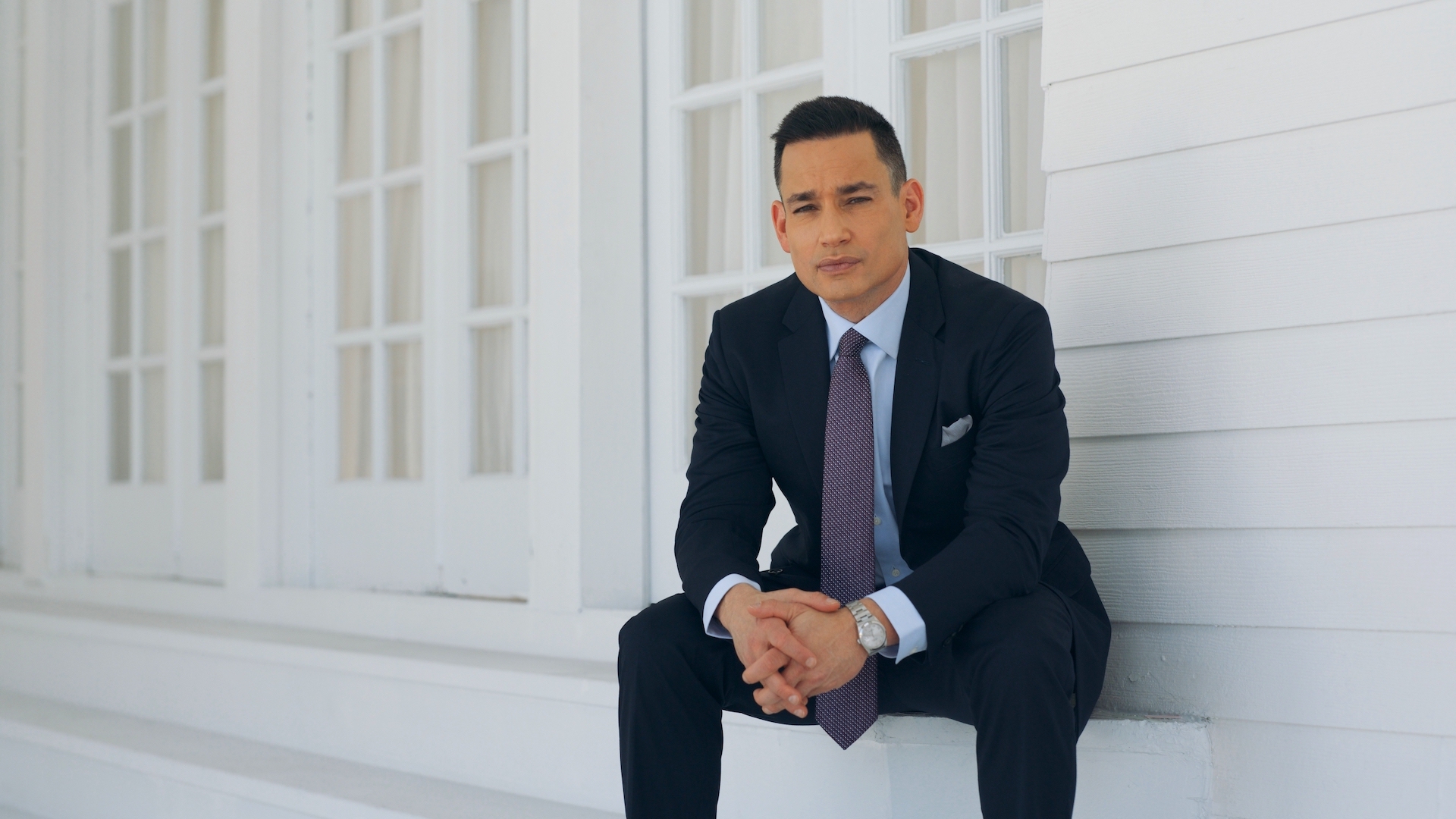
Lorne Kaiser, Esq.
Florida Bar No. 0568491 | Co-Founder, Kaiser Romanello Accident & Injury Attorneys
Lorne Kaiser is a plaintiff's personal injury attorney with over 25 years of experience fighting for injured victims across Broward and Palm Beach County. He co-founded Kaiser Romanello Accident & Injury Attorneys with a simple mission: We Don't Take "Low" For an Answer™.
Read Full Bio →Recent Victories for Clients
$5 Million
Negligent Security
$4 Million
Truck Accident
$1 Million
Ride Share
$1 Million
Car Accident
“Kaiser Romanello changed my life. They are The Dream Team! Could not recommend them anymore! If you want to get the most money for your personal injury claim call Kaiser Romanello today!”

-Lu R
Former client

“l just got off the phone with Mr. Loren Kaiser for a free consultation and he was absolutely amazing. He was extremely helpful, detail oriented and did not add any “rushed” feeling to the phone call. If I have anything substantial to move forward with, I will proudly utilize this law office. Thank you, Mr. Kaiser, for your help, input and advice! It is greatly appreciated.”

-Trina R
Former client
“Steve and his partner are just very knowledgeable, amazing client service, Steve it is the kind of persons who loves what he is doing, he went about and beyond his lawyer responsibilities in my case, they care about you, If you are looking for professionals at the highest levels, use their services. Not only you will be represented by top lawyers, but you feel like part of the family. Thanks for everything, God bless you.”

-Carlos V
Former client
