
 Skip to content

- What We Know About the Deerfield Beach Crash
- Why Multi-Vehicle Crashes Are Legally Different
- Florida's Comparative Negligence Rule (After 2023)
- PIP Insurance and the Serious Injury Threshold
- Florida Wrongful Death Claims After a Fatal Crash
- Beyond the Drivers: Who Else May Be Liable
- What to Do If You Were Involved in a Serious Crash
- Kaiser Romanello — Broward County Injury Attorneys
- Frequently Asked Questions
By Kaiser Romanello, Accident & Injury Attorneys | Published: May 27, 2026 | Last Updated: May 27, 2026
On the afternoon of Tuesday, May 26, 2026, a violent three-vehicle crash on Northeast Third Avenue in Deerfield Beach left one woman dead and three other people hospitalized. The Broward Sheriff's Office responded near the 4400 block at approximately 1:45 p.m. Aerial footage from the scene showed a Nissan Rogue that had smashed through a homeowner's fence, a Land Rover overturned on the sidewalk, and a Nissan van crushed in the middle of the road. Children were reportedly swimming in a backyard pool feet from where the vehicles came to rest.
Two of the injured were rushed to a nearby trauma center as trauma alert patients. The deceased's identity has not been released, and the investigation is ongoing. For families and victims of a crash of this magnitude, the legal and insurance questions multiply quickly. At Kaiser Romanello, we have spent decades helping Broward County families navigate exactly these situations — including wrongful death and serious-injury claims in Deerfield Beach, Pompano Beach, Coral Springs, Lighthouse Point, Coconut Creek, and Fort Lauderdale.
Key Facts — Deerfield Beach Three-Vehicle Crash
- When: Tuesday, May 26, 2026, approximately 1:45 p.m.
- Where: 4400 block of Northeast Third Avenue, Deerfield Beach, Broward County
- Vehicles involved: Nissan Rogue, Land Rover, Nissan van
- Outcome: One woman pronounced deceased at the scene; three others hospitalized (two as trauma alert patients)
- Investigating agency: Broward Sheriff's Office
- Status: Investigation ongoing; victim's identity not yet publicly released
What We Know About the Deerfield Beach Crash
According to the Broward Sheriff's Office and reporting from Local 10 News, the collision occurred mid-afternoon on a Tuesday, on a residential stretch of Northeast Third Avenue between NE 43rd and 48th Streets. The intensity of the impact was striking: one of the SUVs was thrown completely upside down on the sidewalk, and another came to rest only after crashing through the fence of a private home. A neighbor reported that his grandchildren had been swimming in the backyard pool when the wreck happened — only steps from where the vehicles stopped.
A long-time area resident told reporters at the scene, “That's strange, man — people need to stop speeding.” Whether speed, distraction, impairment, or a mechanical failure caused the chain of impacts, and which driver entered the intersection first, are questions investigators are still working to answer.
“A three-vehicle crash this violent is rarely the fault of a single driver — and the official traffic report is almost never the last word on who's responsible.”
Why Multi-Vehicle Crashes Are Legally Different
A three-vehicle collision is legally and factually more complex than a typical two-car crash for several reasons:
- Multiple potential defendants. Any combination of the drivers — and sometimes parties beyond the drivers — may bear responsibility.
- Multiple insurance policies in play. Each driver carries (or should carry) their own coverage, and policies frequently overlap, stack, or conflict.
- Apportionment of fault. Florida juries are asked to assign a percentage of fault to each party. Small shifts in those percentages can mean very large shifts in recovery.
- Conflicting witness accounts. In a chain or T-bone collision, drivers and witnesses often disagree about who entered the intersection first, who crossed the center line, or who initiated contact.
In the Deerfield Beach crash, the precise sequence of impacts has not yet been confirmed publicly. Whether the Land Rover struck the van and then the Rogue, whether the Rogue's path into the fence was the first or last event, and whether speed or impairment played a role — all of these are questions investigators will work through over the coming days and weeks. The Florida Traffic Crash Report is a starting point, not the final word, on who caused what.
Florida's Comparative Negligence Rule (After the 2023 Amendment)
Under Florida Statute § 768.81, Florida is a modified comparative negligence state. As of the 2023 tort reform amendments, a plaintiff who is found more than 50% at fault is barred from recovering any damages. A plaintiff who is 50% or less at fault can still recover, but their damages are reduced in proportion to their share of fault.
In a three-car crash, this rule is especially consequential. A driver who is rear-ended by one vehicle and then pushed into another may be assigned a small fault percentage they never should have carried. Insurance adjusters routinely try to push fault onto the most seriously injured party because doing so reduces what their insured has to pay. This is why every multi-vehicle case needs an independent reconstruction.
⚠ The 51% Bar
If you're found 51% or more at fault for a Florida crash, you cannot recover any damages — even if another driver was 49% to blame. Independent investigation is critical to making sure the fault split is accurate, not whatever the insurance adjuster decides serves their client.
PIP Insurance and Florida's "Serious Injury" Threshold
Florida is a no-fault state for auto insurance. Every driver is required to carry $10,000 in Personal Injury Protection (PIP) coverage, which pays a portion of the policyholder's medical bills and lost wages regardless of who caused the crash under Florida Statute § 627.736.
PIP, however, is rarely enough in a crash of this severity. To pursue a claim against the at-fault driver(s) for pain and suffering and other non-economic damages, an injured person must meet the serious injury threshold under Florida Statute § 627.737, which generally requires:
- Significant and permanent loss of an important bodily function;
- Permanent injury within a reasonable degree of medical probability;
- Significant and permanent scarring or disfigurement; or
- Death.
For trauma alert patients — particularly those with orthopedic injuries, traumatic brain injuries, or internal injuries — this threshold is usually met. Proving it, though, requires careful medical documentation starting at the very first hospital visit.
Florida Wrongful Death Claims After a Fatal Crash
When a crash takes a life, the claim is brought under the Florida Wrongful Death Act (Florida Statutes § 768.16 through § 768.26). Key points families should understand:
- The lawsuit is filed by the personal representative of the decedent's estate, on behalf of the surviving spouse, children, parents, and any blood or adoptive sibling dependent on the decedent.
- Recoverable damages can include lost support and services from the date of injury through the decedent's projected life expectancy, loss of companionship and protection, mental pain and suffering for survivors, medical and funeral expenses paid by survivors or the estate, and net accumulations the estate would have collected.
- The statute of limitations is generally two years from the date of death under Florida Statute § 95.11(4)(d).
Two years sounds like a long time. In practice it passes quickly while families navigate funerals, probate, and grief. Investigation, spoliation letters, preservation of vehicle event-data, and witness interviews all need to begin well before that clock approaches its end. Our Florida wrongful death attorneys have the resources to start that work immediately.
Beyond the Drivers: Who Else May Be Liable
In any serious multi-vehicle crash, an experienced attorney looks past the obvious defendants:
Employers
If any driver was on the clock or running an errand for work — including Uber or Lyft drivers, or delivery drivers — Florida recognizes vicarious liability under the doctrine of respondeat superior.
Vehicle Owners (Dangerous Instrumentality)
Florida's Dangerous Instrumentality Doctrine generally holds the owner of a motor vehicle liable when they entrust it to a driver who causes harm. If the at-fault driver was using someone else's car, that vehicle's owner may be on the hook for damages alongside the driver.
Manufacturers
If a tire, brake system, airbag, steering component, or other vehicle part failed, the manufacturer of that component may share responsibility under product liability law.
Government Entities
If road design, signage, signal timing, or roadway maintenance contributed to the crash, the responsible municipality, county, or FDOT may share fault. Claims against the state, counties, or municipalities require pre-suit notice under Florida Statute § 768.28 and are subject to sovereign immunity caps — making early action essential.
Bars and Social Hosts
In limited circumstances under Florida's dram shop law (Florida Statute § 768.125), an establishment that knowingly served alcohol to an underage person or to a habitually addicted person may share liability if that person then caused a crash.
What to Do If You Were Involved in a Serious Crash
Six Steps to Protect Your Rights
- Get continuing medical care and follow every treatment recommendation. Gaps in treatment are routinely used by insurance carriers to argue your injuries are not serious or not crash-related.
- Do not give a recorded statement to any insurance company — including your own — without speaking to an attorney first.
- Do not sign a medical release that gives the at-fault driver's insurer access to your full medical history. They'll use unrelated prior conditions to discount your claim.
- Document everything. Photograph injuries, save every medical bill and receipt, and keep a brief daily journal of pain levels and limitations.
- Preserve the vehicle and your personal property until counsel has inspected them. Event Data Recorder (“black box”) data can be lost when totaled vehicles are sold for salvage.
- Call an experienced South Florida injury attorney as soon as possible. The first 30 days after a crash are when the most fragile evidence disappears.
Surveillance and Ring camera footage from nearby homes and businesses is typically overwritten within 7 to 30 days. Northeast Third Avenue is a residential corridor lined with homes — canvassing for video should start immediately.
Kaiser Romanello — Broward County Personal Injury Attorneys
If you, a family member, or a friend was involved in the May 26 Deerfield Beach collision — or any serious crash in Broward County — contact a Florida injury lawyer for a free, confidential consultation. Kaiser Romanello handles serious car accident and wrongful death cases throughout South Florida — including Coral Springs, Deerfield Beach, Pompano Beach, Fort Lauderdale, Lighthouse Point, Coconut Creek, Hollywood, Pembroke Pines, and the surrounding communities. Meet our attorneys and learn why Broward families trust our firm with their most serious cases.
We work on a contingency fee basis — no charge unless and until we recover for you.
Schedule Your Free Case Review →
Frequently Asked Questions
Who can be sued in a three-vehicle Florida crash?
Potentially every driver involved, plus vehicle owners (under Florida's Dangerous Instrumentality Doctrine), employers (if a driver was working), manufacturers (if a vehicle component failed), bars or social hosts (under Florida's dram shop law), or government entities (if road design or maintenance contributed). An experienced attorney investigates each angle before deciding which defendants to pursue.
What is the deadline to file a Florida wrongful death claim?
Generally two years from the date of death under Florida Statute § 95.11(4)(d). If a government entity is a potential defendant, additional pre-suit notice requirements under Florida Statute § 768.28 apply. Evidence preservation should begin immediately — long before that deadline.
What if I'm partially at fault for the crash?
Under Florida's modified comparative negligence rule (Florida Statute § 768.81, as amended in 2023), if you are 50% or less at fault, you can still recover damages — reduced by your percentage of fault. If you are found 51% or more at fault, you are barred from recovery entirely. Independent investigation often shifts the official fault percentage significantly.
Will my own PIP cover serious injuries?
Florida PIP covers $10,000 of medical expenses and lost wages regardless of fault — but for trauma-level injuries this is rarely enough. To pursue the at-fault driver for pain and suffering damages, you must meet Florida's serious injury threshold (significant and permanent injury, permanent scarring, or death). Most trauma alert patients qualify.
How much does it cost to hire a Broward County car accident lawyer?
Kaiser Romanello handles serious injury and wrongful death cases on a contingency-fee basis. You pay no attorney's fees unless we recover compensation for you. The initial consultation is free and confidential.
This blog post is provided for informational purposes only and does not constitute legal advice. Reading this article does not create an attorney-client relationship. If you have been injured or have lost a loved one in an accident, please contact a licensed Florida attorney to discuss the specific facts of your case.
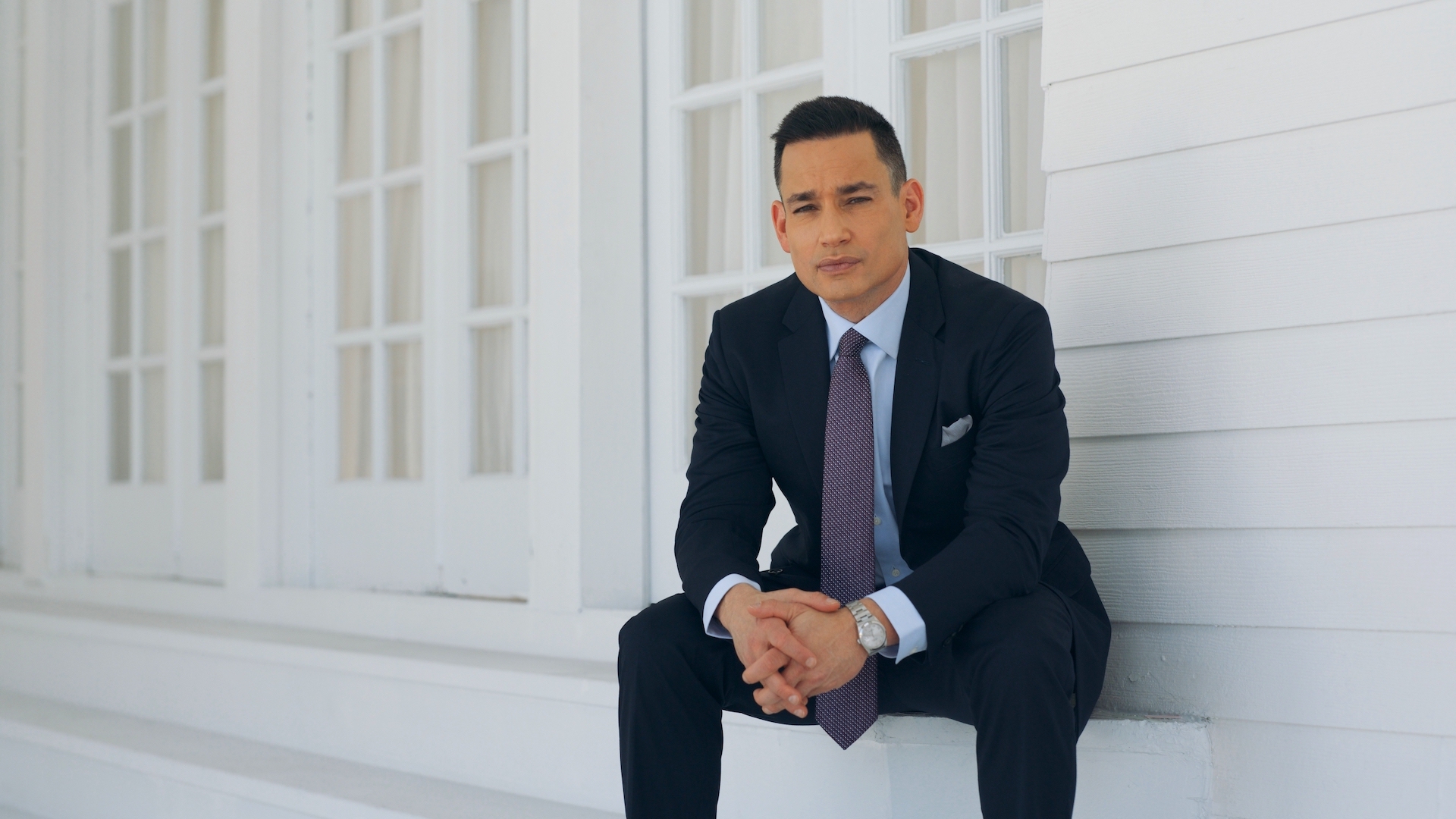
Lorne Kaiser, Esq.
Florida Bar No. 0568491 | Co-Founder, Kaiser Romanello Accident & Injury Attorneys
Lorne Kaiser is a plaintiff's personal injury attorney with over 25 years of experience fighting for injured victims across Broward and Palm Beach County. He co-founded Kaiser Romanello Accident & Injury Attorneys with a simple mission: We Don't Take "Low" For an Answer™.
Read Full Bio →