We Don’t Take “Low” for an Answer!

On May 26, 2026, a bicyclist was struck and killed by a Brightline train in Stuart, Martin County — the latest fatality on a rail line that has drawn national scrutiny for its safety record. The Martin County Sheriff's Office and Martin County Fire Rescue responded to the scene, and an investigation is ongoing.
For the family of the victim, the loss is devastating and immediate. But the legal questions that follow a Brightline collision are anything but simple. If you or a loved one has been hurt or killed in a crash involving Brightline — whether as a cyclist, pedestrian, motorist, or passenger — here is what you need to understand about your rights under Florida law. At Kaiser Romanello, we have spent decades representing Florida families in catastrophic injury and wrongful death cases.
Key Facts — Stuart Brightline Collision
Since Brightline began passenger service in South Florida, it has been repeatedly identified in national reporting as one of the deadliest passenger railroads in the United States per mile traveled. The Associated Press, NBC News, and the South Florida Sun Sentinel have all documented dozens of fatalities along the corridor since 2018, including pedestrians, cyclists, and motorists at grade crossings.
This pattern matters legally. A train operator's duty of care is not unlimited, but it also is not zero. Where there is a known history of incidents at a particular crossing — or a documented systemic issue with warning systems, signage, fencing, vegetation, or train horn protocols — those facts can become central to a wrongful death or personal injury claim.
“Brightline has been called one of the deadliest passenger railroads in America. When that record meets a fatal crossing collision, the legal analysis goes well beyond ‘the cyclist didn’t stop.’”
Train accidents are unlike typical car crashes because multiple parties may bear responsibility. A thorough investigation often examines:
Did the engineer sound the horn at the legally required distance? Was the train traveling at an appropriate speed for the crossing? Were the crossing arms and warning lights functioning properly? Did Brightline follow Federal Railroad Administration (FRA) regulations and its own internal safety protocols?
Brightline trains operate on tracks owned by FEC. The track owner has its own duties for maintenance, signal systems, and crossing infrastructure.
Local governments are often responsible for the road approaches to crossings, signage, traffic signal coordination, and — in some cases — quiet zones that suppress the train horn. Inadequate sight lines, missing or obscured signs, or improper road design can shift liability.
If a crossing arm, signal, or train component malfunctioned, the manufacturer of that equipment may share responsibility under product liability law.
In some cases, another driver, a contractor working near the tracks, or an adjacent property owner whose landscaping obscured the crossing can be partially at fault.
In a fatal bicycle-train collision, every one of these angles needs to be investigated promptly — often before evidence is moved, repaired, or recorded over.
When someone is killed in a Brightline collision, the claim is brought under the Florida Wrongful Death Act (Florida Statutes § 768.16 et seq.). Important points:
The interaction between these rules — especially when a municipality's role in crossing design is part of the case — is where experienced counsel matters most. Our Florida wrongful death attorneys have the resources and experience these cases demand.
⚠ Important Deadline
Florida wrongful death claims must generally be filed within two years of the date of death. Government-defendant claims have additional pre-suit notice requirements. Acting quickly protects both your rights and the evidence your case will depend on.
Florida is consistently ranked among the most dangerous states in the nation for bicyclists, and similar risks apply to motorcyclists across the state. Under Florida law, a bicyclist generally has the same rights and duties as the driver of a vehicle (Florida Statute § 316.2065). That cuts both ways:
Florida is a modified comparative negligence state. Under Florida Statute § 768.81, as amended in 2023, a plaintiff who is found more than 50% at fault is barred from recovering damages. A plaintiff who is 50% or less at fault can still recover, but their damages are reduced by their percentage of fault. This is why early, independent investigation is critical — the railroad's narrative of “the cyclist went around the gates” is often incomplete, contradicted by video, or affected by malfunctioning equipment.
“The railroad’s first version of events is rarely the last. Forward-facing locomotive video, event recorder data, and signal logs frequently tell a different story than the initial press release.”
In every train collision case, the most important evidence is also the most fragile:
A spoliation letter sent immediately to Brightline and FEC can help preserve this evidence. Without it, critical data can be overwritten or lost in the ordinary course of business.
Four Steps to Protect Your Family's Rights
Our firm has represented Florida families in catastrophic injury and wrongful death cases for years. We know how to move quickly to preserve evidence, identify every responsible party, and pursue the full measure of damages Florida law allows. Meet our attorneys and see why families across South Florida and the Treasure Coast trust Kaiser Romanello.
If your family has been affected by the May 26 Stuart collision — or any Brightline-related crash — contact us for a free, confidential consultation. There is no fee unless we recover for you.
Schedule Your Free Case Review →
Yes. Florida law allows the personal representative of the deceased's estate to file a wrongful death lawsuit under Florida Statutes § 768.16 et seq. against any party whose negligence contributed to the death — which may include Brightline, the track owner, the municipality responsible for the crossing, or equipment manufacturers. The statute of limitations is generally two years from the date of death.
That fact alone does not bar recovery. Florida is a modified comparative negligence state. As long as the cyclist is found 50% or less at fault, the family can still recover, with damages reduced by the cyclist's share of fault. Investigation often reveals contributing factors — malfunctioning signals, obscured sight lines, late horn — that shift the analysis.
Generally two years from the date of death under Florida Statute § 95.11(4)(d). If a government entity is a defendant, additional pre-suit notice requirements under Florida Statute § 768.28 apply. Evidence preservation should begin immediately, well before the deadline approaches.
Kaiser Romanello handles wrongful death and serious injury cases on a contingency-fee basis. You pay no attorney's fees unless we recover compensation for you. The initial consultation is free and confidential.
Train event recorder data, forward-facing locomotive video, crossing signal activation logs, maintenance records, scene photographs, witness statements, and the involved bicycle or vehicle. Much of this evidence can be lost within days if a preservation (spoliation) letter is not sent promptly.
This blog post is provided for informational purposes only and does not constitute legal advice. Reading this article does not create an attorney-client relationship. If you have been injured or have lost a loved one in an accident, please contact a licensed Florida attorney to discuss the specific facts of your case.
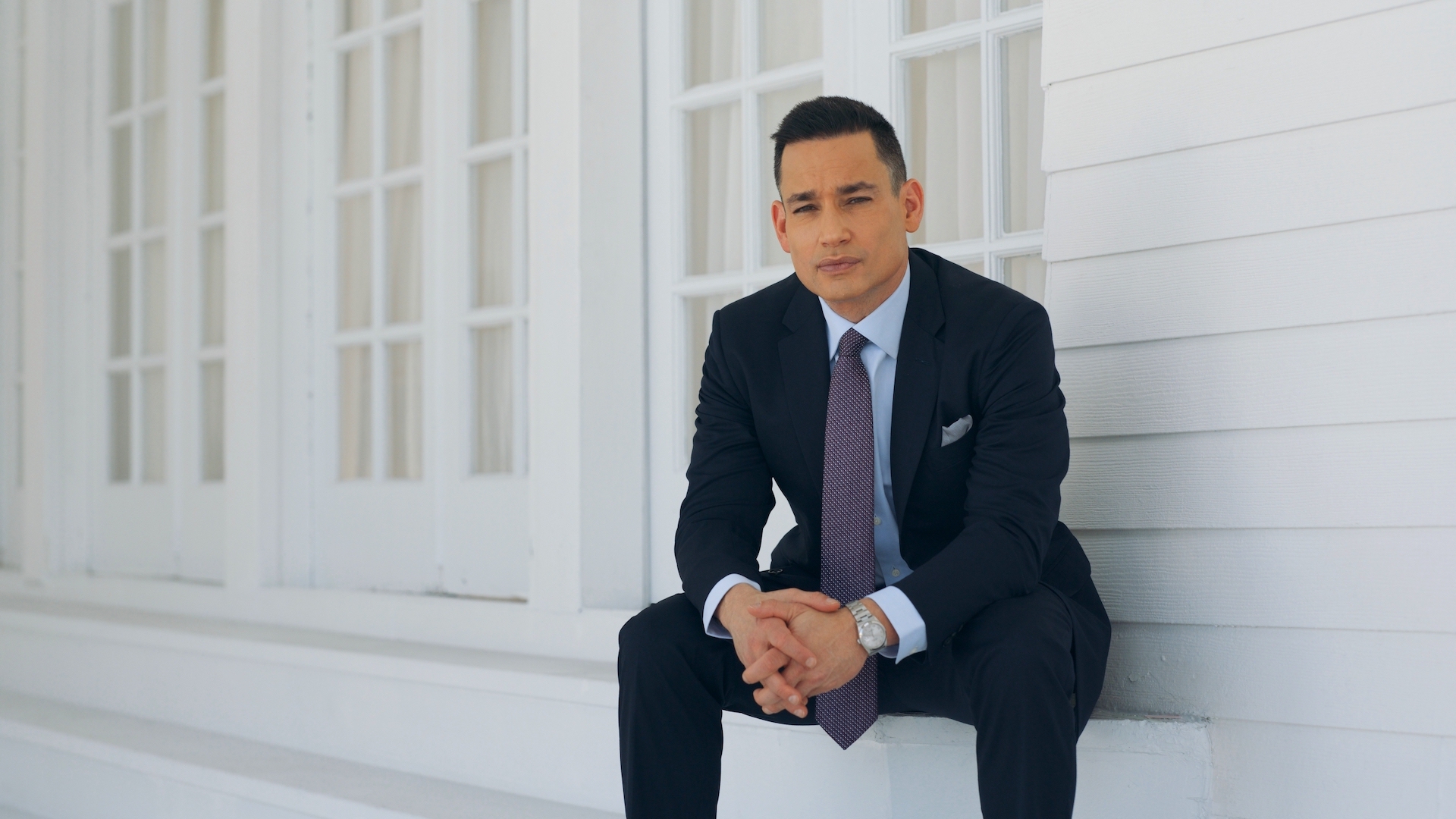
Florida Bar No. 0568491 | Co-Founder, Kaiser Romanello Accident & Injury Attorneys
Lorne Kaiser is a plaintiff's personal injury attorney with over 25 years of experience fighting for injured victims across Broward and Palm Beach County. He co-founded Kaiser Romanello Accident & Injury Attorneys with a simple mission: We Don't Take "Low" For an Answer™.
Read Full Bio →